How to make ablution (wudu), step by step
The full sunnah method of ablution (wudu) in order, from the intention to the supplication at the end, with the words to say.
Wudu is the washing you do before you pray. You wash your face, your arms and your feet, and you wipe your head with wet hands.

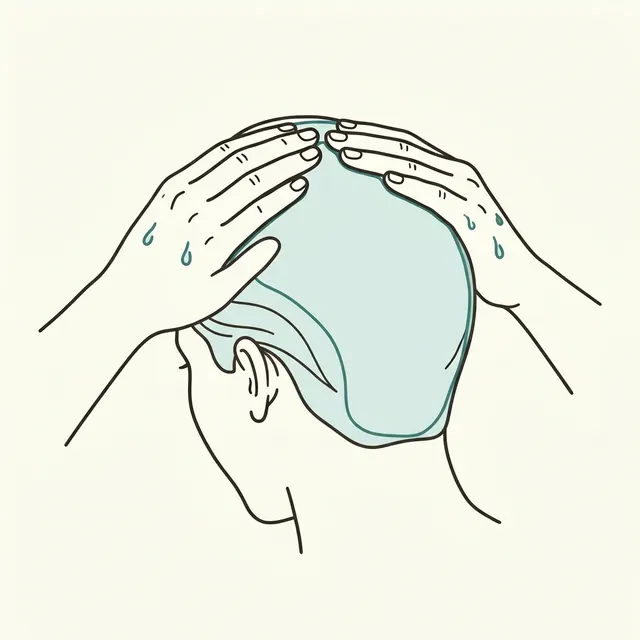
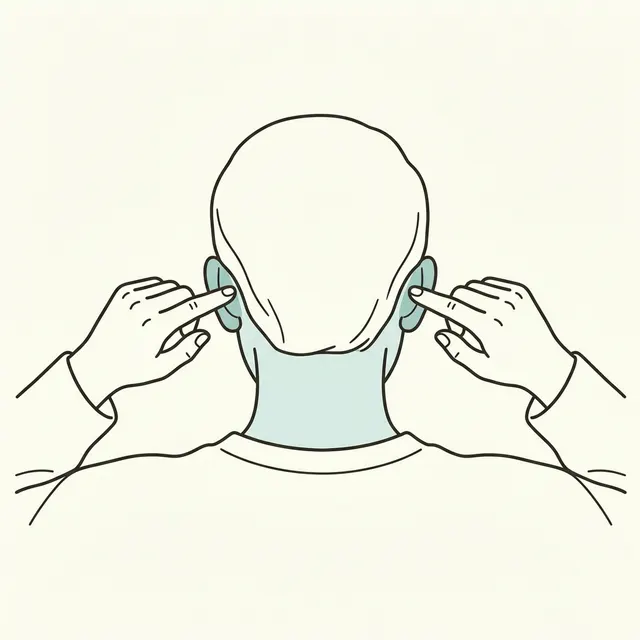
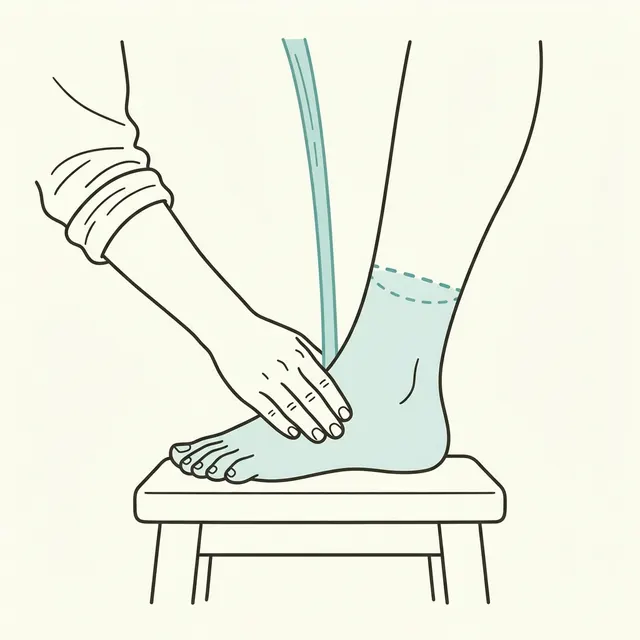
Make wudu like this
- Sit facing the Kaaba if you can. Say in your heart that you are making wudu.Say: Bismillāhi wa'l-ḥamdu lillāh.
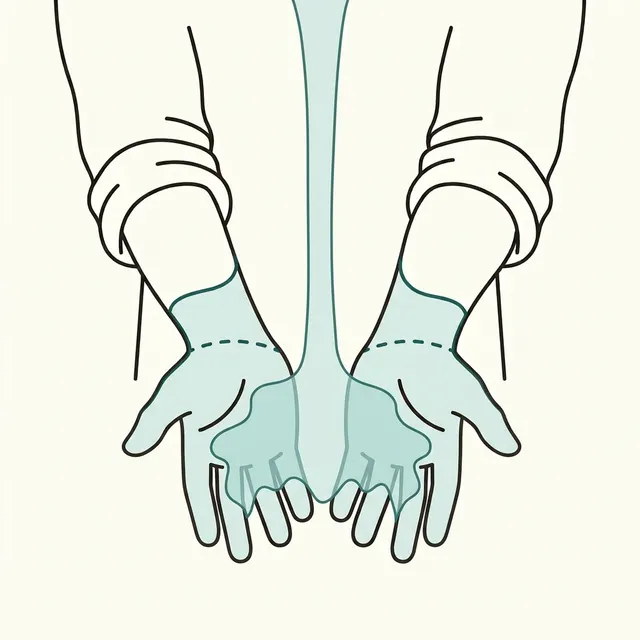
- Wash both hands up to the wrists three times. Start with the right hand.
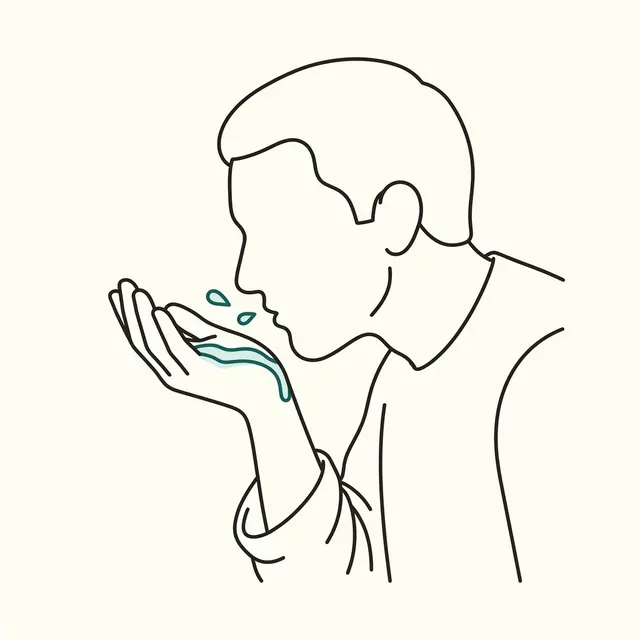
- Rinse your mouth three times, using water from your right hand.
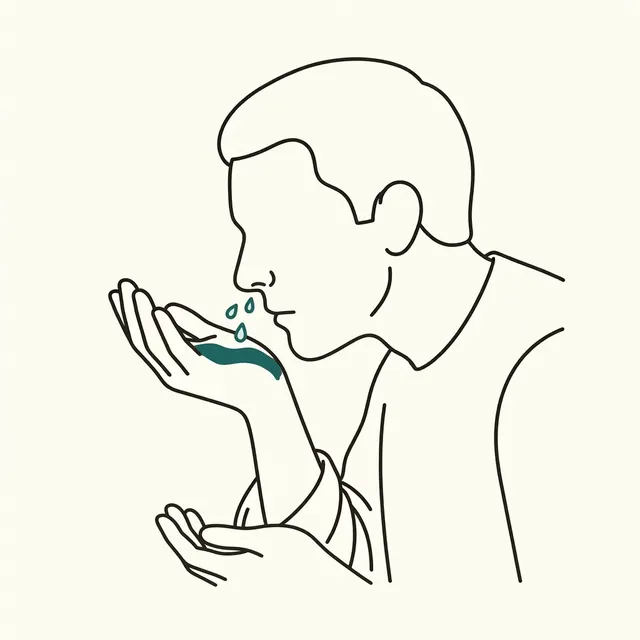
- Rinse your nose three times. Put the water in with your right hand and blow it out with your left.
- Wash your whole face three times, from the top of your forehead to under your chin, and from one ear to the other.
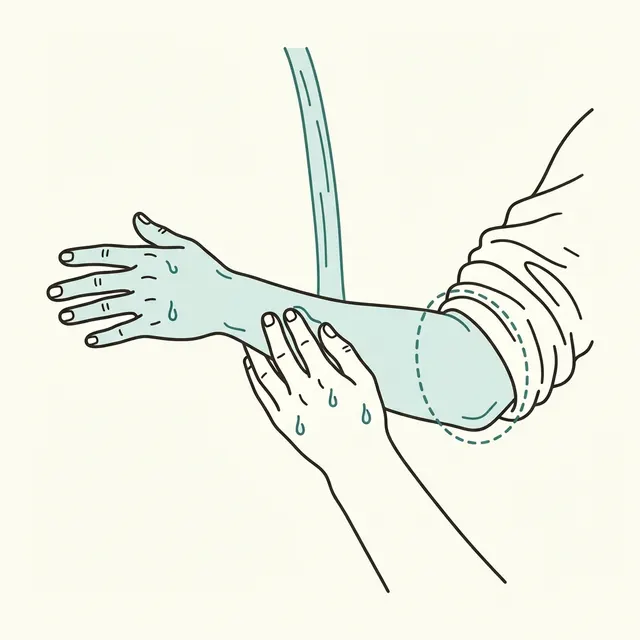
- Wash both arms three times, up to and including the elbows. Start with the right arm.
- Wet your hands and wipe your whole head, your ears and the back of your neck, one time.
- Wash both feet three times, up to and including the ankles. Start with the right foot.
بِسْمِ اللّٰهِ وَالْحَمْدُ لِلّٰهِ عَلٰى دِيْنِ الْإِسْلَامِ
Bismillāhi wa'l-ḥamdu lillāhi ʿalā dīni'l-Islām
In the name of Allah, and all praise is for Allah for the religion of Islam.
Here are the words to say when you finish. They have three parts: you say that you believe in Allah and His Messenger ﷺ, you ask Allah to make you someone who says sorry and stays clean, and you ask Him to make you one of His good servants.
أَشْهَدُ أَنْ لَا إِلٰهَ إِلَّا اللهُ وَحْدَهُ لَا شَرِيكَ لَهُ وَأَشْهَدُ أَنَّ مُحَمَّدًا عَبْدُهُ وَرَسُولُهُ. اللَّهُمَّ اجْعَلْنِي مِنَ التَّوَّابِينَ وَاجْعَلْنِي مِنَ الْمُتَطَهِّرِينَ وَاجْعَلْنِي مِنْ عِبَادِكَ الصَّالِحِينَ
Ashhadu an lā ilāha illallāhu waḥdahu lā sharīka lah, wa ashhadu anna Muḥammadan ʿabduhu wa rasūluh. Allāhumma'jʿalnī mina't-tawwābīna, wa'jʿalnī mina'l-mutaṭahhirīn, wa'jʿalnī min ʿibādika'ṣ-ṣāliḥīn.
I bear witness that there is no deity worthy of worship except Allah alone, without any partner, and I bear witness that Muhammad is His servant and Messenger. O Allah, make me among those who constantly repent, make me among those who purify themselves, and make me among Your righteous servants.
Wudu is purification from minor impurity (ḥadath aṣghar) by washing the face, the arms and the feet, and wiping the head. The method below is the complete sunnah method: it contains the four obligatory acts together with the sunnah and preferred acts, performed in order.
The sunnah method
- Sit facing the qiblah with the water in a vessel on a raised surface. Form the intention to make wudu and recite Bismillāhi wa'l-ḥamdu lillāhi ʿalā dīni'l-Islām.
- Wash both hands up to the wrists three times, beginning with the right.
- Take water in the right hand and rinse the mouth three times, letting the water reach the throat, unless you are fasting. Use a miswak, or rub the teeth with the index finger if none is available.
- Rinse the nose three times, drawing the water up with the right hand and expelling it with the left.
- Wash the whole face three times, from the top of the forehead to below the chin and from one earlobe to the other, leaving nowhere dry. Comb through a beard with the fingers.
- Wash the arms three times from the fingertips up to and including the elbows, beginning with the right, interlacing the fingers so the water reaches between them.
- With both hands wet, wipe the whole head, the ears and the back of the neck in a single motion.
- Wash both feet three times up to and including the ankles, beginning with the right, using the left hand and passing it between the toes.
- On finishing, look towards the sky and recite the testimony of faith.
- Then recite the supplication of repentance and purity, and Subḥānaka'llāhumma wa bi-ḥamdik.
- It is recommended to recite Sūrat al-Qadr afterwards.
Every part that must be washed has to be reached by water. If any of it stays dry, even an area the size of a hair, the wudu is not valid.
12بِسْمِ اللّٰهِ وَالْحَمْدُ لِلّٰهِ عَلٰى دِيْنِ الْإِسْلَامِ
Bismillāhi wa'l-ḥamdu lillāhi ʿalā dīni'l-Islām
In the name of Allah, and all praise is due to Allah for the religion of Islam.
The supplication after wudu is then recited. It is in three parts: the declaration of faith, a prayer to be counted among those who repent and purify themselves, and a prayer to be counted among the righteous. The Prophet ﷺ said that whoever makes wudu well and then says these words has the eight gates of Paradise opened for him.
أَشْهَدُ أَنْ لَا إِلٰهَ إِلَّا اللهُ وَحْدَهُ لَا شَرِيكَ لَهُ وَأَشْهَدُ أَنَّ مُحَمَّدًا عَبْدُهُ وَرَسُولُهُ. اللَّهُمَّ اجْعَلْنِي مِنَ التَّوَّابِينَ وَاجْعَلْنِي مِنَ الْمُتَطَهِّرِينَ وَاجْعَلْنِي مِنْ عِبَادِكَ الصَّالِحِينَ
Ashhadu an lā ilāha illallāhu waḥdahu lā sharīka lah, wa ashhadu anna Muḥammadan ʿabduhu wa rasūluh. Allāhumma'jʿalnī mina't-tawwābīna, wa'jʿalnī mina'l-mutaṭahhirīn, wa'jʿalnī min ʿibādika'ṣ-ṣāliḥīn.
I bear witness that there is no deity worthy of worship except Allah alone, without any partner, and I bear witness that Muhammad is His servant and Messenger. O Allah, make me among those who constantly repent, make me among those who purify themselves, and make me among Your righteous servants.
سُبْحَانَكَ اَللّٰهُمَّ وَبِحَمْدِكَ أَشْهَدُ أَنْ لَّا إِلٰهَ إِلَّا أَنْتَ أَسْتَغْفِرُكَ وَأَتُوْبُ إِلَيْكَ
Subḥānaka'llāhumma wa bi-ḥamdik, ashhadu an lā ilāha illā anta, astaghfiruka wa atūbu ilayk
Glory is to You, O Allah, and all praise is Yours. I bear witness that there is no deity but You; I seek Your forgiveness and I turn to You in repentance.
Wuḍūʾ is ṭahārah from ḥadath aṣghar, effected by washing the face, the forearms including the elbows, and the feet including the ankles, together with masḥ of a quarter of the head. The sequence set out below is the complete sunnah method: it comprises the four farāʾiḍ, the sunan and the mustaḥabbāt performed in their received order, so that the acts of each category can then be distinguished from one another.
The received order
- Sit facing the qiblah, the water in a vessel placed on a raised surface. Form the niyyah and recite Bismillāhi wa'l-ḥamdu lillāhi ʿalā dīni'l-Islām.The niyyah is sunnah in wuḍūʾ in the Hanafi school, not a farḍ of it; the washing is valid without it, though the reward attaches to it.
- Wash both hands to the wrists three times, beginning with the right.
- Madmaḍah three times, water taken in the right hand, carried to the throat (istinshāq of the throat is omitted by one who is fasting, lest water pass). Use the miswāk; the index finger substitutes for it when none is at hand.
- Istinshāq three times, drawn up with the right hand and expelled with the left.
- Wash the whole face three times (from the natural hairline to beneath the chin, and from one earlobe to the other), leaving no part untouched; takhlīl of a thick beard with the fingers.
- Wash the forearms three times to and including the elbows, right first, with takhlīl between the fingers.
- Masḥ of the whole head, the ears and the nape in one motion, with the wetness remaining on the hands or with fresh water.
- Wash the feet three times to and including the ankles, right first, with the left hand, passing the little finger between the toes.
- Raise the gaze and recite the shahādah.
- Recite Allāhumma'jʿalnī mina't-tawwābīn… and Subḥānaka'llāhumma wa bi-ḥamdik…
- Recitation of Sūrat al-Qadr (Innā anzalnāhu) after wuḍūʾ is mustaḥabb; the transmitted invocations at each limb belong to the mustaḥabbāt of wuḍūʾ.
Isābat al-māʾ to every part of the maghsūlāt is farḍ. Should any portion remain dry, even to the extent of a hair's breadth, the wuḍūʾ is not valid.
12| Category | If left out | Example from the method above |
|---|---|---|
| Farḍ | The wudu is not valid | Washing the whole face once |
| Sunnah | The wudu is valid but incomplete and blameworthy | Madmaḍah and istinshāq |
| Mustaḥabb | No blame; reward and completeness are lost | Facing the qiblah; the closing supplications |
Each category is set out in full in the sections on the obligations, sunnahs and preferred acts of wudu.
بِسْمِ اللّٰهِ وَالْحَمْدُ لِلّٰهِ عَلٰى دِيْنِ الْإِسْلَامِ
Bismillāhi wa'l-ḥamdu lillāhi ʿalā dīni'l-Islām
In the name of Allah, and all praise is due to Allah for the religion of Islam.
The supplication after wudu is then recited, in three parts: the declaration of faith (shahada), a prayer to be counted among the repentant (tawwabin) and the purified (mutatahhirin), and a prayer to be counted among the righteous servants (ibad salihin). The Prophet ﷺ said that whoever makes wudu well and then says these words has the eight gates of Paradise opened for him, and may enter by whichever he wishes.
أَشْهَدُ أَنْ لَا إِلٰهَ إِلَّا اللهُ وَحْدَهُ لَا شَرِيكَ لَهُ وَأَشْهَدُ أَنَّ مُحَمَّدًا عَبْدُهُ وَرَسُولُهُ. اللَّهُمَّ اجْعَلْنِي مِنَ التَّوَّابِينَ وَاجْعَلْنِي مِنَ الْمُتَطَهِّرِينَ وَاجْعَلْنِي مِنْ عِبَادِكَ الصَّالِحِينَ
Ashhadu an lā ilāha illallāhu waḥdahu lā sharīka lah, wa ashhadu anna Muḥammadan ʿabduhu wa rasūluh. Allāhumma'jʿalnī mina't-tawwābīna, wa'jʿalnī mina'l-mutaṭahhirīn, wa'jʿalnī min ʿibādika'ṣ-ṣāliḥīn.
I bear witness that there is no deity worthy of worship except Allah alone, without any partner, and I bear witness that Muhammad is His servant and Messenger. O Allah, make me among those who constantly repent, make me among those who purify themselves, and make me among Your righteous servants.
سُبْحَانَكَ اَللّٰهُمَّ وَبِحَمْدِكَ أَشْهَدُ أَنْ لَّا إِلٰهَ إِلَّا أَنْتَ أَسْتَغْفِرُكَ وَأَتُوْبُ إِلَيْكَ
Subḥānaka'llāhumma wa bi-ḥamdik, ashhadu an lā ilāha illā anta, astaghfiruka wa atūbu ilayk
Glory is to You, O Allah, and all praise is Yours. I bear witness that there is no deity but You; I seek Your forgiveness and I turn to You in repentance.
Imam Abu Hamid al-Ghazali records a longer form of the supplication after wudu, in both Ihya Ulum al-Din (in the Book of the Secrets of Purity, Kitab Asrar at-Taharah) and his condensed manual of daily devotions, Bidayat al-Hidayah (in the Etiquettes of Ablution, Adab al-Wudu). It opens with the shahada, adds the formula of the expiation of a gathering (kaffarat al-majlis) with a confession of wrongdoing, and closes with the prayer for repentance and purity extended by further petitions.
أَشْهَدُ أَنْ لَا إِلٰهَ إِلَّا اللهُ وَحْدَهُ لَا شَرِيكَ لَهُ، وَأَشْهَدُ أَنَّ مُحَمَّدًا عَبْدُهُ وَرَسُولُهُ. سُبْحَانَكَ اللَّهُمَّ وَبِحَمْدِكَ، أَشْهَدُ أَنْ لَا إِلٰهَ إِلَّا أَنْتَ، عَمِلْتُ سُوءًا وَظَلَمْتُ نَفْسِي، أَسْتَغْفِرُكَ وَأَتُوبُ إِلَيْكَ، فَاغْفِرْ لِي وَتُبْ عَلَيَّ، إِنَّكَ أَنْتَ التَّوَّابُ الرَّحِيمُ. اللَّهُمَّ اجْعَلْنِي مِنَ التَّوَّابِينَ، وَاجْعَلْنِي مِنَ الْمُتَطَهِّرِينَ، وَاجْعَلْنِي مِنْ عِبَادِكَ الصَّالِحِينَ، وَاجْعَلْنِي صَبُورًا شَكُورًا، وَاجْعَلْنِي أَذْكُرُكَ ذِكْرًا كَثِيرًا، وَأُسَبِّحُكَ بُكْرَةً وَأَصِيلًا.
Ashhadu an lā ilāha illallāhu waḥdahu lā sharīka lah, wa ashhadu anna Muḥammadan ʿabduhu wa rasūluh. Subḥānaka'llāhumma wa bi-ḥamdik, ashhadu an lā ilāha illā ant, ʿamiltu sūʾan wa ẓalamtu nafsī, astaghfiruka wa atūbu ilayk, fa'ghfir lī wa tub ʿalayya, innaka anta't-tawwābu'r-raḥīm. Allāhumma'jʿalnī mina't-tawwābīn, wa'jʿalnī mina'l-mutaṭahhirīn, wa'jʿalnī min ʿibādika'ṣ-ṣāliḥīn, wa'jʿalnī ṣabūran shakūrā, wa'jʿalnī adhkuruka dhikran kathīrā, wa usabbiḥuka bukratan wa aṣīlā.
I bear witness that there is no deity but Allah alone, without partner, and I bear witness that Muhammad is His servant and Messenger. Glory be to You, O Allah, and with Your praise; I bear witness that there is no deity but You. I have done wrong and wronged myself; I seek Your forgiveness and turn to You in repentance, so forgive me and accept my repentance, for You are the Accepter of repentance, the Merciful. O Allah, make me among those who repent, make me among those who purify themselves, make me among Your righteous servants, make me patient and grateful, and make me one who remembers You much and glorifies You morning and evening.
This is the English translation of Nisab Ahle Khidmaat Sharia, exactly as the book has it, for the passages this page was written from. About 539 words. Switch back to Guide for the rewritten version.
Rulings of Wudu (Ablution) Definition of Wudu
Wudu means purification from minor impurities (Hadath Asghar) by washing the face, hands, feet, and wiping (Masah) the head.
Rulings of Wudu (Ablution) 8. Sunnah and Recommended Method of Wudu
The recommended method of performing Wudu is as follows:
- Sit facing the Qibla with water in a vessel placed on an elevated surface. Intend to perform Wudu and recite: "بِسْمِ اللّٰهِ وَالْحَمْدُ لِلّٰهِ عَلٰى دِينِ الْإِسْلَامِ" (In the name of Allah and all praise is due to Him for the religion of Islam).
- Wash both hands up to the wrists three times, starting with the right hand.
- Take water in the right hand and rinse the mouth three times. Ensure the water reaches the throat (unless one is fasting). Use a tooth-stick (miswak), or if unavailable, rub the teeth with the index finger.
- Using the right hand, rinse the nose three times by taking water into it, and then expel it using the left hand.
- Wash the entire face three times from the top of the forehead to below the chin, and from one earlobe to the other, ensuring no area is left dry. If one has a beard, they should also comb through it with their fingers.
- Wash the arms three times, starting from the fingertips up to the elbows, beginning with the right arm. Interlace the fingers to ensure water reaches between them.
- With both hands wet, wipe over the entire head, ears, and the back of the neck in one motion.
- Wash both feet up to and including the ankles three times, starting with the right foot. Use the left hand for washing and interlace the toes to ensure water reaches between them.
- Upon completing Wudu, look toward the sky and recite the Testimony of Faith: "اَشْهَدُ اَنْ لَّا إِلٰهَ إِلَّا اللّٰهُ وَحْدَهٗ لَا شَرِيْكَ لَهٗ وَ أَشْهَدُ أَنَّ مُحَمَّدًا عَبْدُهٗ وَرَسُوْلُهٗ" (I bear witness that there is no deity except Allah alone, with no partner, and I bear witness that Muhammad is His servant and messenger).
- Then recite this supplication: "اَللّٰهُمَّ اجْعَلْنِي مِنَ التَّوَّابِيْنَ وَاجْعَلْنِيْ مِنَ الْمُتَطَهِّرِيْنَ" (O Allah, make me among those who constantly repent and those who remain pure).
- Additionally, recite: "سُبْحَانَكَ اَللّٰهُمَّ وَ بِحَمْدِكَ أَشْهَدُ أَنْ لَّا إِلٰهَ إِلَّا أَنْتَ اسْتَغْفِرُكَ وَأَتُوْبُ إِلَيْكَ" (Glory is to You, O Allah, and all praise is due to You. I testify that there is no deity but You; I seek Your forgiveness and repent to You).
- It is recommended to recite Surah Al-Qadr ("إِنَّا أَنْزَلْنٰهُ") after Wudu. During Wudu, one may also recite specific prayers and blessings at each step, as mentioned in the recommended practices of Wudu.
- Ensure that each part is washed before the previous part dries, and remove any barriers on the body (like wax, grease, or a tight ring) that may prevent water from reaching the skin.
Rulings of Wudu (Ablution) Note
The method of ablution (wudu) that has been described includes all obligatory (fard), recommended (sunnah), and preferred (mustahab) actions. Each of these will now be explained separately so that it becomes clear which actions are obligatory in wudu—those which, if omitted, invalidate the wudu; which actions are recommended—those which, if left out, do not invalidate the wudu but leave it incomplete and carry blame; and which actions are preferred—those that do not incur blame if omitted, but bring reward and complete the wudu if performed.
Terms on this page
Related
- The four obligatory acts (fard) of ablution (wudu) The four obligatory (fard) acts of ablution (wudu) explained in full: the face, the arms, wiping the head, and the feet.
- How to make the full bath (ghusl), step by step The full sunnah method of the full bath (ghusl) in order, from washing the hands to the final pouring, with the notes that make it valid.
- The sunnahs and preferred acts (mustahabbat) of ablution (wudu) Everything in the method of ablution (wudu) beyond the four obligations: the sunnahs, the recommended (mustahabb) acts, and the words recommended at each step.
- How to make dry ablution (tayammum), step by step The two strikes and full wiping that make up dry ablution (tayammum), its sunnahs, the method in order, and what breaks it.