How to make the full bath (ghusl), step by step
The full sunnah method of the full bath (ghusl) in order, from washing the hands to the final pouring, with the notes that make it valid.
This is the full way the Prophet ﷺ used to make ghusl. It has the three fard things inside it, plus the sunnahs, all in the right order.
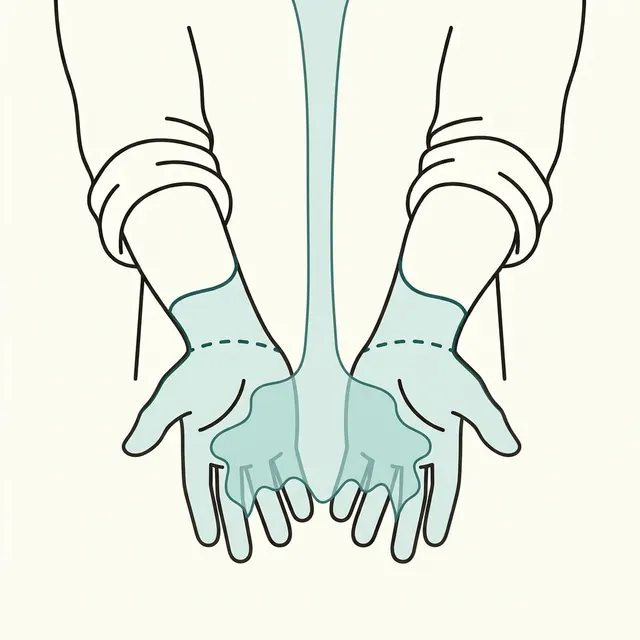
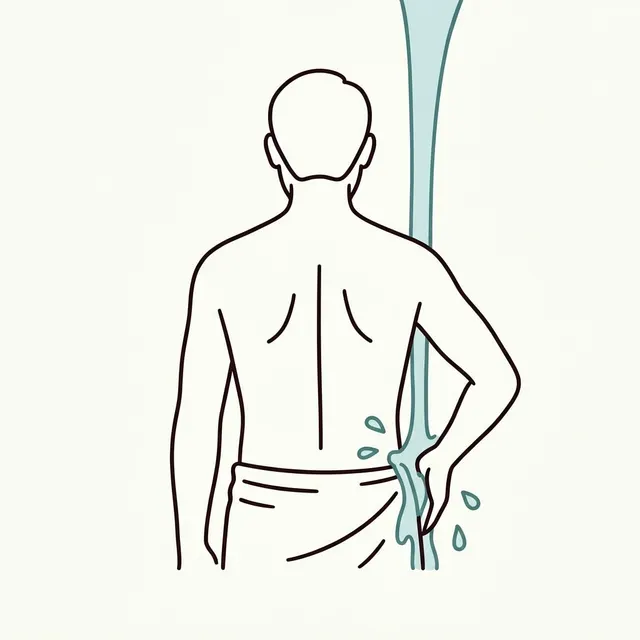
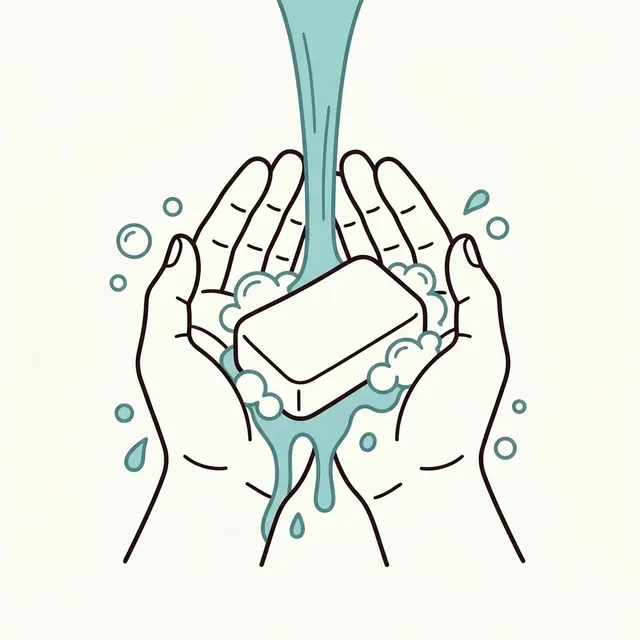
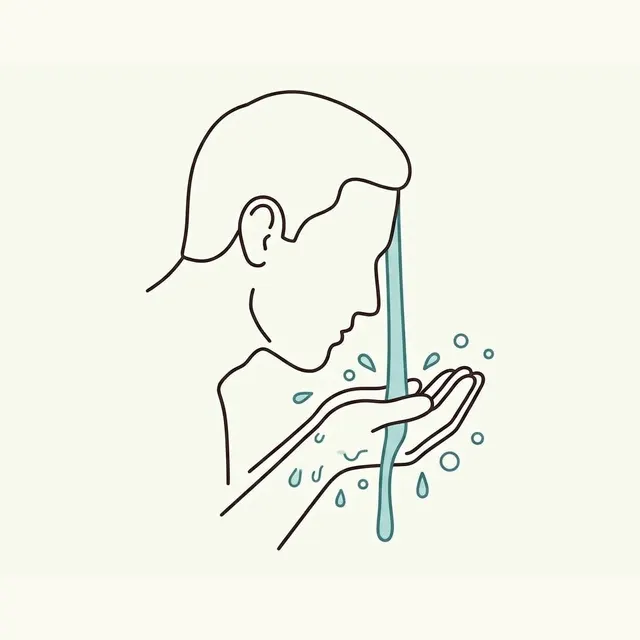
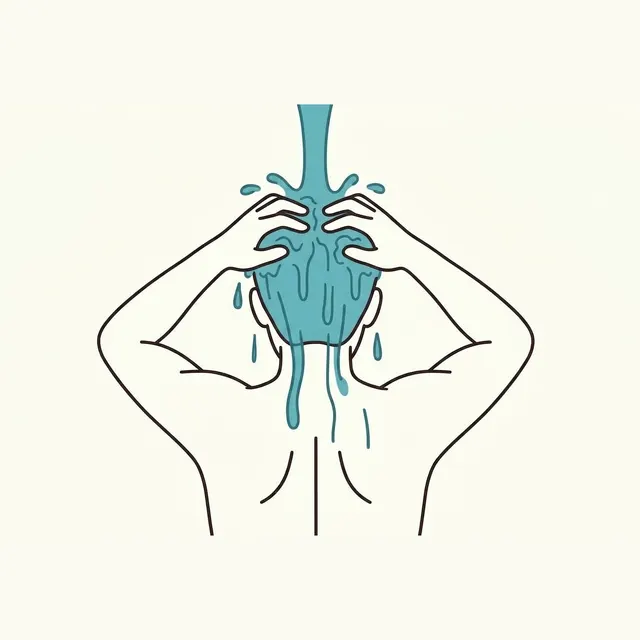
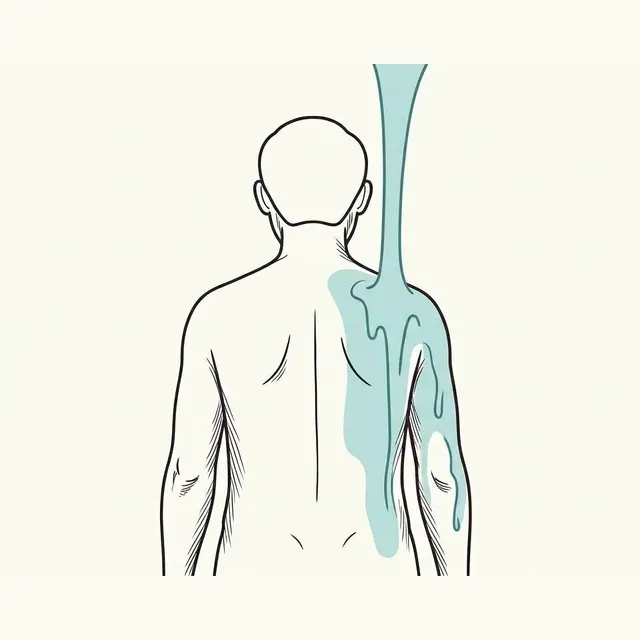
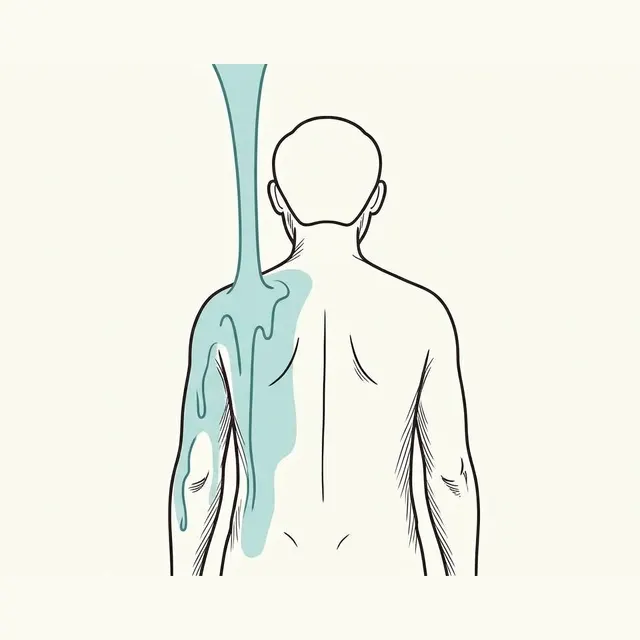
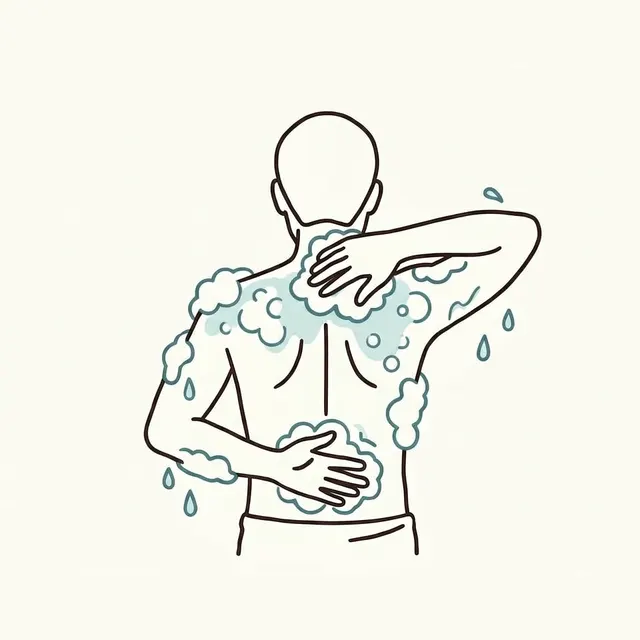
Make ghusl like this
- Make the intention in your heart: "I am bathing to purify myself."
- Quietly say Bismillāhi'r-Raḥmāni'r-Raḥīm in your heart.
- Wash both hands up to the wrists, three times.
- Wash your private parts and clean off any impurity from your body.
- Do wudu like you do for prayer: rinse your mouth well and put water in your nose.
- Wet your hair, then pour water over your head, then your right shoulder, then your left shoulder, so your whole body gets wet.
- Rub your whole body with your hands so the water reaches everywhere.
- Pour water over your head and shoulders two more times, so you have done it three times in total.
This is the way the Prophet ﷺ made ghusl: wash the hands, wash the private parts, make wudu, then pour water over the head and then over the whole body three times, rubbing so it reaches everywhere.
123For ghusl to count, water must reach every part of your body: under a tight ring, under a beard or moustache, and down to the roots of your hair. Rinsing the mouth and nose is also a must. A woman does not have to undo her braids, as long as the roots get wet.
12345بِسْمِ اللَّهِ الرَّحْمَٰنِ الرَّحِيمِ
Bismillāhi'r-Raḥmāni'r-Raḥīm
In the name of Allah, the Most Gracious, the Most Merciful.
When you have finished, say the same words you say after wudu. They have three parts: you say that you believe in Allah and His Messenger ﷺ, you ask Allah to make you someone who says sorry and stays clean, and you ask Him to make you one of His good servants.
When you finish ghusl, it is good to say the same words you say after wudu: that you believe in Allah and His Messenger ﷺ, and asking Allah to make you one of those who repent and stay clean.
1أَشْهَدُ أَنْ لَا إِلٰهَ إِلَّا اللهُ وَحْدَهُ لَا شَرِيكَ لَهُ وَأَشْهَدُ أَنَّ مُحَمَّدًا عَبْدُهُ وَرَسُولُهُ. اللَّهُمَّ اجْعَلْنِي مِنَ التَّوَّابِينَ وَاجْعَلْنِي مِنَ الْمُتَطَهِّرِينَ وَاجْعَلْنِي مِنْ عِبَادِكَ الصَّالِحِينَ
Ashhadu an lā ilāha illallāhu waḥdahu lā sharīka lah, wa ashhadu anna Muḥammadan ʿabduhu wa rasūluh. Allāhumma'jʿalnī mina't-tawwābīna, wa'jʿalnī mina'l-mutaṭahhirīn, wa'jʿalnī min ʿibādika'ṣ-ṣāliḥīn.
I bear witness that there is no deity worthy of worship except Allah alone, without any partner, and I bear witness that Muhammad is His servant and Messenger. O Allah, make me among those who constantly repent, make me among those who purify themselves, and make me among Your righteous servants.
This is the complete sunnah method of ghusl: it contains the three fard obligations together with the sunnah acts, performed in the order the Prophet ﷺ followed.
The sunnah method
- Make the intention: "I am bathing to purify myself," and quietly say Bismillāhi'r-Raḥmāni'r-Raḥīm.
- Wash both hands up to the wrists, three times.
- Wash the private parts and remove any impurity from the body, even if none is visible.
- Wash any part of the body where impurity might be present, and rub the hands well with clay or soap and rinse them.
- Perform wudu as for prayer, rinsing the mouth thoroughly and taking water into the nose. If water pools on the floor where you are bathing, you may leave washing the feet until after ghusl is finished.
- Wet the hair on the head, then pour water over the head three times, making sure the water reaches the roots.
- Pour water over the right shoulder, then the left, so the whole body is drenched and water runs off it.
- Rub the entire body with the hands so every area is wet.
- Pour water over the whole body in this way two more times, so that water has reached everywhere a total of three times; this completes the sunnah. If the feet were left unwashed, move to a clean spot and wash them now, then dry the body with a clean cloth.
The sunnah method of ghusl is to wash the hands, wash the private parts and remove any impurity, perform wudu as for prayer, wet the hair to its roots, and then pour water over the head and over the whole body three times, rubbing so that water reaches every part. This is the order the Prophet ﷺ followed.
123Ghusl is valid only when the mouth is rinsed, water is taken into the nose, and water reaches the whole body: beneath a tight ring, beneath the beard, moustache and hair of the head, and to the roots of the hair. A woman is not required to undo her braids; it is enough that water reaches the roots.
12345بِسْمِ اللَّهِ الرَّحْمَٰنِ الرَّحِيمِ
Bismillāhi'r-Raḥmāni'r-Raḥīm
In the name of Allah, the Most Gracious, the Most Merciful.
On finishing, the supplication recited after wudu is recited here too, since a full wudu is part of ghusl. It is in three parts: the declaration of faith, a prayer to be counted among those who repent and purify themselves, and a prayer to be counted among the righteous.
It is recommended, on finishing ghusl, to recite the supplication recited after wudu: the declaration of faith, and the prayer to be counted among those who repent and purify themselves.
1أَشْهَدُ أَنْ لَا إِلٰهَ إِلَّا اللهُ وَحْدَهُ لَا شَرِيكَ لَهُ وَأَشْهَدُ أَنَّ مُحَمَّدًا عَبْدُهُ وَرَسُولُهُ. اللَّهُمَّ اجْعَلْنِي مِنَ التَّوَّابِينَ وَاجْعَلْنِي مِنَ الْمُتَطَهِّرِينَ وَاجْعَلْنِي مِنْ عِبَادِكَ الصَّالِحِينَ
Ashhadu an lā ilāha illallāhu waḥdahu lā sharīka lah, wa ashhadu anna Muḥammadan ʿabduhu wa rasūluh. Allāhumma'jʿalnī mina't-tawwābīna, wa'jʿalnī mina'l-mutaṭahhirīn, wa'jʿalnī min ʿibādika'ṣ-ṣāliḥīn.
I bear witness that there is no deity worthy of worship except Allah alone, without any partner, and I bear witness that Muhammad is His servant and Messenger. O Allah, make me among those who constantly repent, make me among those who purify themselves, and make me among Your righteous servants.
The method below is the received sunnah method of ghusl: it carries the three farāʾiḍ within it, together with the sunan, performed in their transmitted order.
The received method
- Form the niyyah, 'I am bathing to purify myself,' and recite Bismillāhi'r-Raḥmāni'r-Raḥīm silently.
- Wash both hands to the wrists, three times.
- Wash the private parts and remove any najāsah from the body, even where none is apparent.
- Wash any part of the body where najāsah might be present; rub the hands with clay or soap and rinse them.
- Perform wuḍūʾ as for prayer, with thorough madmaḍah and istinshāq. Where water pools underfoot, washing the feet may be deferred to the end of ghusl.
- Wet the hair of the head, then pour water over the head three times, ensuring it reaches the roots.
- Pour water over the right shoulder, then the left, drenching the whole body until water runs from it.
- Rub the entire body with the hands so that every area is wet.
- Repeat the pouring over the whole body twice more, so water has reached the entire body three times in all; this is the sunnah in full. If the feet were left, move to a clean place, wash them, and dry the body with a clean cloth.
The sunnah method of ghusl is to wash the hands, wash the private parts and remove any najasah, perform wudu as for prayer, wet the hair to its roots, and then pour water over the head and over the whole body three times, rubbing so that water reaches every part. This is the transmitted order of the Prophet ﷺ.
123Ghusl is valid even without a discrete wuḍūʾ performed within it, so long as the three fard obligations (madmaḍah, istinshāq and washing the whole body) are actually fulfilled. Where a person performs wuḍūʾ and then pours water over the body, the madmaḍah and istinshāq of that wuḍūʾ already discharge the first two obligations of ghusl.
Ghusl is valid only with madmadah, istinshaq and water reaching the whole body: beneath a tight ring, beneath the beard, moustache and hair of the head, and to the roots of the hair. A single dry spot leaves the person in hadath. A woman is not obliged to undo her braids; it suffices that water reaches the roots.
12345بِسْمِ اللَّهِ الرَّحْمَٰنِ الرَّحِيمِ
Bismillāhi'r-Raḥmāni'r-Raḥīm
In the name of Allah, the Most Gracious, the Most Merciful.
On completion, the supplication recited after wudu is recited here too, since the wudu within ghusl is the same wudu. It is in three parts: the declaration of faith (shahada), a prayer to be counted among the repentant (tawwabin) and the purified (mutatahhirin), and a prayer to be counted among the righteous servants (ibad salihin).
It is mustahabb, on completing ghusl, to recite the supplication of wudu: the shahada, and the prayer to be counted among the tawwabin and the mutatahhirin, since the wudu within ghusl is the same wudu.
1أَشْهَدُ أَنْ لَا إِلٰهَ إِلَّا اللهُ وَحْدَهُ لَا شَرِيكَ لَهُ وَأَشْهَدُ أَنَّ مُحَمَّدًا عَبْدُهُ وَرَسُولُهُ. اللَّهُمَّ اجْعَلْنِي مِنَ التَّوَّابِينَ وَاجْعَلْنِي مِنَ الْمُتَطَهِّرِينَ وَاجْعَلْنِي مِنْ عِبَادِكَ الصَّالِحِينَ
Ashhadu an lā ilāha illallāhu waḥdahu lā sharīka lah, wa ashhadu anna Muḥammadan ʿabduhu wa rasūluh. Allāhumma'jʿalnī mina't-tawwābīna, wa'jʿalnī mina'l-mutaṭahhirīn, wa'jʿalnī min ʿibādika'ṣ-ṣāliḥīn.
I bear witness that there is no deity worthy of worship except Allah alone, without any partner, and I bear witness that Muhammad is His servant and Messenger. O Allah, make me among those who constantly repent, make me among those who purify themselves, and make me among Your righteous servants.
This is the English translation of Nisab Ahle Khidmaat Sharia, exactly as the book has it, for the passages this page was written from. About 844 words. Switch back to Guide for the rewritten version.
Rulings of Bath (Ghusl)
- There are three obligations in Ghusl (ritual bath):
- Rinsing the mouth thoroughly.
- Taking water into the nose.
- Pouring water over the entire body.(All other acts are Sunnah or recommended, as described in the method below.)
- The method of performing Ghusl is as follows:
- First, make the intention: “I am bathing to purify myself.”
- Then silently say “بسم اللہ الرحمٰن الرحیم” in your heart.
- Wash both hands up to the wrists three times.
- Wash the private parts and remove any impurity from the body.
- Perform Wudu as done for prayer, ensuring to rinse the mouth thoroughly and take water into the nose.
- After completing Wudu, pour water over the entire body. Begin by wetting the hair, then pour water over the head, followed by the right shoulder and then the left shoulder.
- Make sure water reaches the entire body by rubbing it with your hands.
- Repeat pouring water over the head and shoulders two more times (making a total of three times, which is Sunnah).
With this, the Ghusl is complete.
Rulings of Bath (Ghusl) Note 1
If a ring fits tightly on the finger, it must be moved to ensure water reaches underneath. It is also necessary to wash the skin beneath the beard, moustache, and hair on the head. If the hair is tightly braided, it should be loosened to wet it properly and ensure water reaches the roots. However, women are not required to untie their braids; it is sufficient for water to reach the roots of their hair.
Rulings of Bath (Ghusl) Note 2
If pouring water on a body part causes harm, or if there is a bandage on a wound that cannot be removed without difficulty or harm, it is permissible to wipe over that body part or the bandage instead of washing it.
Rulings of Bath (Ghusl) Note 3
Some people first wash and rub their body, then perform Wudu near the end of Ghusl, recite an Arabic phrase (considered as the intention for Ghusl), or blow over water and pour it three times on the head and shoulders. They believe Ghusl is not valid without this specific method. In some cases, if a woman does not know the Arabic phrase, others recite it and blow over water, which she then uses.
This practice is baseless and unnecessary. Ghusl is completed as soon as the body is fully wet, provided the obligatory acts are fulfilled. These obligatory acts are:
There are five Sunnahs in Ghusl 24. Sunnah Method of Ghusl (Ritual Bath)
The proper way of performing Ghusl is as follows:
- Begin with the intention (niyyah) and say, بسم الله الرحمن الرحيم (In the name of Allah, the Most Gracious, the Most Merciful).
- Wash both hands up to the wrists three times.
- Wash the private parts, even if there is no impurity.
- Wash any part of the body where impurity might be present. (Then, rub the hands well with clay or soap and rinse them.)
- Perform wudu (ablution). If water accumulates on the floor of the bathing area, leave washing the feet for after completing Ghusl.
- Wet the hair on your head, then pour water over your head three times, ensuring the water reaches the roots.
- Pour water over the right shoulder, then the left, so the entire body is drenched and water drips off.
- Rub the entire body with your hands to ensure all areas are wet.
- Pour water over the entire body in this manner two more times, so water reaches all areas a total of three times, which completes the Sunnah. After finishing, if the feet have not been washed, move to a clean spot and wash them. Dry the body with a clean, dry cloth.
There are five Sunnahs in Ghusl Additional Notes
Note 1: During Ghusl, wrap a cloth from the navel to the knees. Bathing without clothing is allowed only if bathing in privacy, and in that case, it is better to sit while bathing.
Note 2: Ghusl can be valid even without wudu, as long as the three obligatory actions (rinsing the mouth, cleaning the nose, and washing the entire body) are performed. If one only does wudu and pours water over the body, the first two obligations (rinsing the mouth and nose) are fulfilled as part of wudu.
Note 3: Some people first wash their body and scrub it, then perform Wudu towards the end of their bath. After that, they recite an Arabic phrase, which they consider the intention for Ghusl, or they blow on water and pour three buckets of it over their head and shoulders, believing that without this specific method, Ghusl is not valid. Some women who do not know the proper intention for Ghusl even have others blow on water and use it in this way. This is a baseless and unnecessary practice.
The most important thing in Ghusl is to complete the obligatory actions (i.e., rinsing the mouth, inhaling water in the nose, and pouring water over the entire body). If any part of the body remains dry, even by a tiny amount, the Ghusl will not be valid, no matter how many times the intention is made or how many buckets of water are poured. The state of impurity will remain.
Terms on this page
Related
- What the full bath (ghusl) is, and when it is required The definition of the full bath (ghusl), the occasions it is obligatory (fard), necessary (wajib), sunnah or recommended (mustahabb), the conditions for it to count, and its three obligations.
- The sunnahs, preferred acts and disliked acts of the full bath (ghusl) The five sunnahs of the full bath (ghusl), the acts that are recommended (mustahabb), and the acts that are disliked (makruh) while bathing.
- The four obligatory acts (fard) of ablution (wudu) The four obligatory (fard) acts of ablution (wudu) explained in full: the face, the arms, wiping the head, and the feet.
- How to make ablution (wudu), step by step The full sunnah method of ablution (wudu) in order, from the intention to the supplication at the end, with the words to say.